Featured
Table of Contents
Selecting web advancement structures is among the most essential choices in modern-day software engineering. With so numerous technologies availableeach offering unique benefitsit can be challenging to identify which finest matches your task's objectives. Comprehending framework is and how it forms structure, scalability, and security is essential to an effective build.
Enhancing User Engagement for Denver Sites by means of Micro-InteractionsWe'll help you recognize the very best framework for web advancement, reveal you how to choose framework for web advancement based on your requirements, and dive into additional factors to consider like customized software advancement costs,, and the role of a dedicated software application development group. Whether you're a PHP development company, start-up, or supervisor hiring devoted remote designers, this guide provides you the required insights.
A structure provides recyclable codes, libraries, and guidelines, making it a great framework for developing strong web applications that are simple and secure enough to maintain. Designers do not have to build whatever upon anything. Rather, they utilize integrated routing modules, templates, database gain access to, etc. Such templatized architecture enables groups to stress application reasoning and user experience however not rewrite the standard functions.
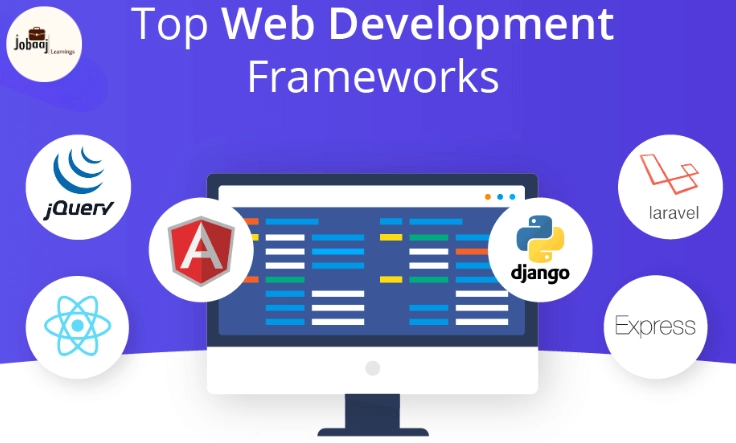
To pick a structure for web advancement, think about elements like team expertise, task complexity, efficiency requirements, security functions, and long-term maintenance. Below is an in-depth breakdown of the 15 leading web advancement frameworksin 2026, including their core strengths, use cases, and special benefits. React remains the most popular front-end web advancement structure thanks to its component-based architecture and rich ecosystem.
How AI-Driven Development Impact Frameworks in 2026?
SEO-friendly rendering for content-heavy sites File-based routing with vibrant API support Supports ISR, SSR, and SSG out of package Substantial community and ecosystem of plugins Interactive single-page apps, e-commerce platforms, SaaS products, and SEO-friendly sites. Vue uses a lightweight and approachable syntax with reactive bindings. improves Vue by making it possible for server-side rendering, fixed site generation, and optimized routing for better efficiency and SEO.
Backed by Google, Angular is a detailed front-end structure for complicated enterprise-grade applications. It follows strict architectural patterns and supports scalable advancement. Strong TypeScript assistance and built-in RxJS Reliance injection and kind handling Angular CLI for effective scaffolding Long-lasting assistance (LTS) from Google Large-scale business systems, protected intranet websites, and mission-critical admin panels.
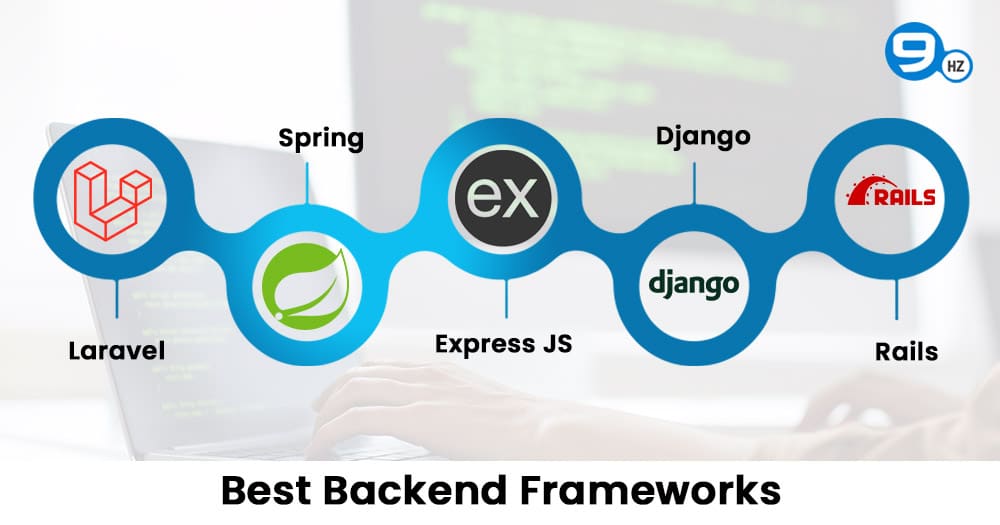
Many count on Laravel for its speed and stability. Significant ORM for database operations Artisan CLI for automation and scaffolding Integrated security and middleware Ideal for RESTful APIs and multi-tenant systems Custom-made CMS, web portals, e-commerce, and B2B applications. Django is a top-level Python-based structure that emphasizes quick development and security.
Auto-admin interface for quick backend setup Secure by default (protection against XSS, CSRF, SQL Injection Substantial middleware support Robust templating engine Business applications, federal government systems, e-learning platforms, and fintech dashboards. is a minimalist backend web development structure for, frequently utilized for API advancement, middleware apps, and real-time services. Easy to incorporate with databases and templating engines Supports REST APIs and WebSockets Lightweight and unopinionated Perfect base for full-stack JS apps REST APIs, serverless architectures, microservices, and real-time apps like chats or dashboards.
It speeds up customized software application advancement with a rich community and developer-friendly tools. ActiveRecord for seamless database interactions Integrated authentication, routing, and scaffolding Turbo & Hotwire for reactive parts Shown in start-ups and MVP launches MVPs, rapid prototyping, internal, and small-to-medium SaaS platforms. ASP.NET Core is Microsoft's cross-platform, high-performance web development structure perfect for building safe, scalable business applications.
Modern UX Design Trends for Higher Engagement
Spring Boot enhances web application development in Java, permitting fast setup for microservices, APIs, and cloud-native apps. Embedded Tomcat/Jetty servers Auto-configuration and starter templates Spring Security, Spring Data, and AOP Strong community and enterprise usage Banking platforms, enterprise-grade APIs, and cloud-first Java applications. Svelte is a compiler that transforms code into efficient, standalone JavaScript during build time, lowering runtime overhead.
Initially known for mobile, Flutter's web support is proliferating. It allows mobile web app development from a single codebase utilizing Dart. Shared UI components for web and mobile Hot reload and adaptive layouts Skia rendering engine for consistent visuals Excellent for animated, responsive Interface Startups, design-centric apps, and companies focusing on mobile-first experiences.
It's designed for applications that need high concurrency, fault tolerance, and real-time features. Leveraging the strengths of practical programs and the BEAM virtual maker, Phoenix is extremely performant and trusted. Real-time communication through channels and WebSockets Excellent concurrency and fault tolerance Lightweight and quick response times Terrific support for LiveView (real-time UIs without JS) Messaging platforms, real-time control panels, collaborative tools, and streaming applications.
Key Criteria for Evaluating Modern CMS Software
It follows the principle of convention over setup and is particularly matched for long-term tasks kept by large groups. Opinionated structure and generator-based advancement Ember CLI for scaffolding, updates, and testing Integrated data layer (Cinder Data) Stability-focused with clear upgrade courses Complex front-end tasks, teams following enterprise-grade best practices, and massive apps with evolving requirements.
A frequently selects it for tasks needing quick shipment and solid backend efficiency. Gii code generator for CRUD operations RBAC and user authentication support Exceptional caching and performance optimization tools REST API development integrated Admin interfaces, data-heavy dashboards, eCommerce platforms, and backend APIs. Flask is a micro-framework for Python that provides the basics for custom-made software application advancement without forcing a particular job structure.
Light-weight and unopinionated Quickly extensible with Flask plugins Ideal for microservices and API projects Tidy and legible codebase Prototypes, data APIs, research study tools, and simple-to-midrange web apps. Picking the very best structure for web advancement depends largely on your job's objectives, timeline, team size, and technical requirements. Each web advancement structure has actually strengths tailored to specific usage casesfrom quick item launches to intricate enterprise systems.
Comparing Modular and Legacy CMS Platforms
Speed and dexterity are essential when constructing a Minimum Viable Item (MVP) or evaluating a brand-new idea. Lightweight and flexible, perfect for fast prototyping and API development.
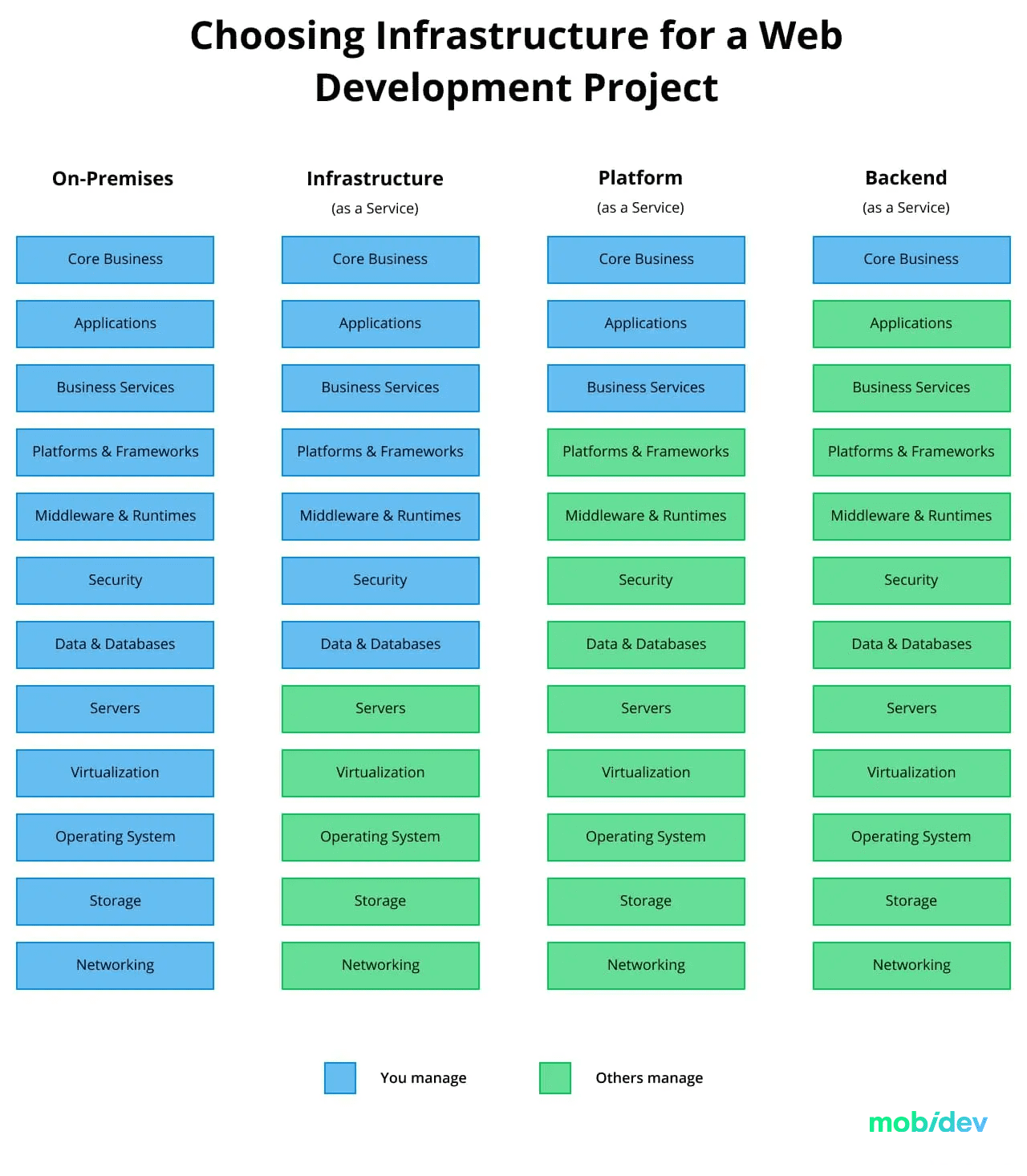
Uses a complete advancement ecosystem with high productivity, fantastic for startups. These tools help designers and start-ups develop and pivot rapidly, frequently depending on conventions and integrated tools to save time. For enterprise-grade platforms that need to deal with intricate workflows, integrations, and big user bases, stability and scalability matter the majority of.
Extremely scalable, integrates with business systems, and works well in cloud-native environments. Protect, high-performance, and tightly integrated with Microsoft's environment. Structured and robust, with functions for large teams and extensive component libraries. These frameworks are the most appropriate if you want to develop business software application with high compliance and security requirements.
Allows SEO-friendly single-page applications (Medical spas) with server-side rendering. Integrates simplicity with advanced functions like static-site generation (SSG) and modularity. Uses a powerful, all-in-one option for structure and testing abundant user interfaces. Highlights convention and scalability, which are excellent for teams with shared advancement standards. Emerging choice for lean, fast apps with very little runtime.
These structures are built for designers to focus on UX, responsiveness, and efficiency. Another important factor in picking a framework is the know-how of your internal group or. Aligning your stack with readily available talent enhances performance and decreases discovering curves. Suitable for groups with experience in PHP. Also a go-to choice for any PHP development company.

Latest Posts
Securing Your Digital Platform for AI Discovery
Why Machine Learning Influences Future Search Signals
Evaluating the JavaScript Frameworks in 2026